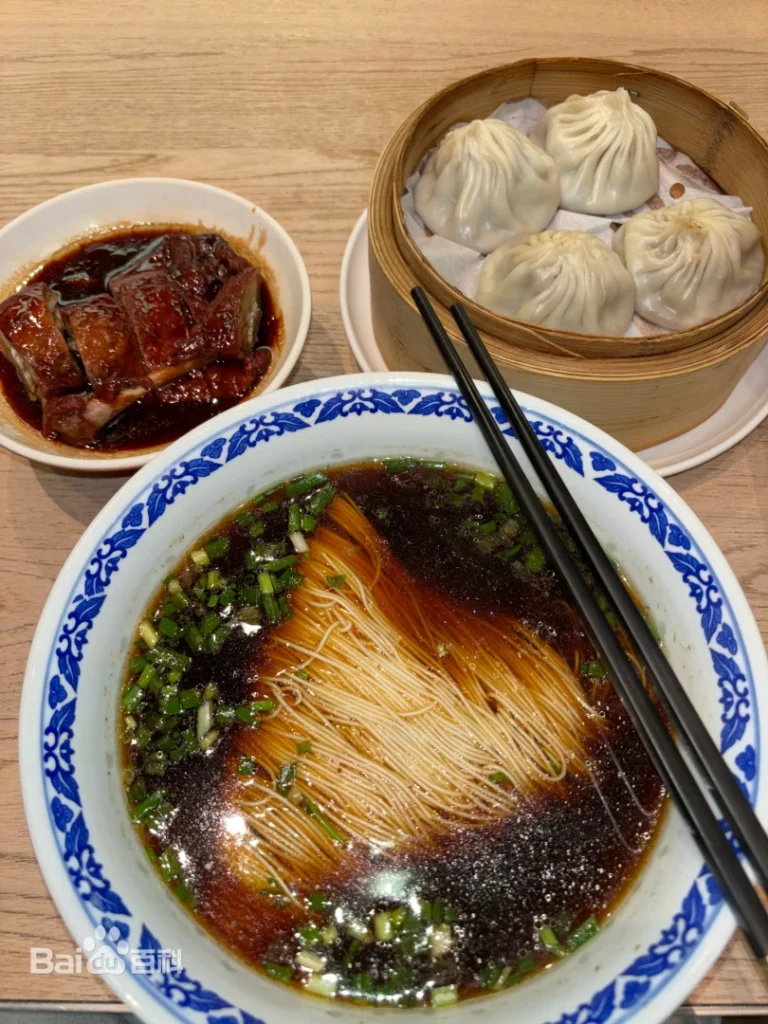
As an iconic culinary treasure of Changzhou and a representative of Jiangnan’s delicate noodle culture, Silver Thread Noodles (Yinsi Mian) has woven its way into the city’s history and people’s hearts over centuries . Renowned for its “jade-white color, silk-like thinness, tender texture, and lingering fragrance,” this beloved dish is not just a bowl of noodles—it’s a cultural symbol inscribed in the Chinese Snack Recipe, honored as one of Changzhou’s Top Ten Famous Snacks, and listed as an Intangible Cultural Heritage of Jiangsu Province in 2008 . From imperial banquets to everyday meals, it embodies the essence of Jiangnan’s culinary craftsmanship and the warmth of Changzhou’s folk life.
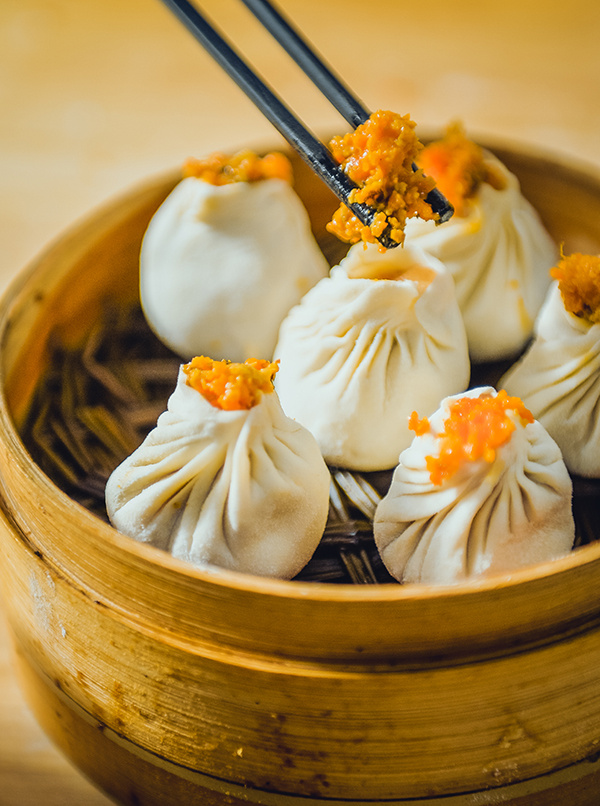
A beloved cousin of Shanghai’s famous soup dumplings, Changzhou’s crab-stuffed xiao long bao (small steamed buns) stands out with its luxurious filling and delicate skin . Originating in the Daoguang reign of the Qing Dynasty (1821–1850) at Wanhua Teahouse, the recipe was later refined by Yinggui Steamed Bun Shop (now Yinggui Catering Co.) and designated a “Famous Chinese Snack” . Available annually from mid-autumn (when osmanthus blooms) to early winter, these dumplings capture the essence of Changzhou’s crab culture.
Each bao features a paper-thin, elastic wrapper—so translucent the golden crab roe inside is visible—encasing a juicy mixture of minced pork and fresh crab meat . To enjoy them authentically: bite a tiny hole to sip the hot broth first, then savor the tender filling—sweet pork balanced by briny crab, with a hint of ginger to cut through richness . Head to century-old spots like Yinggui Teahouse or Shuangguifang Gourmet Town for the most authentic experience.
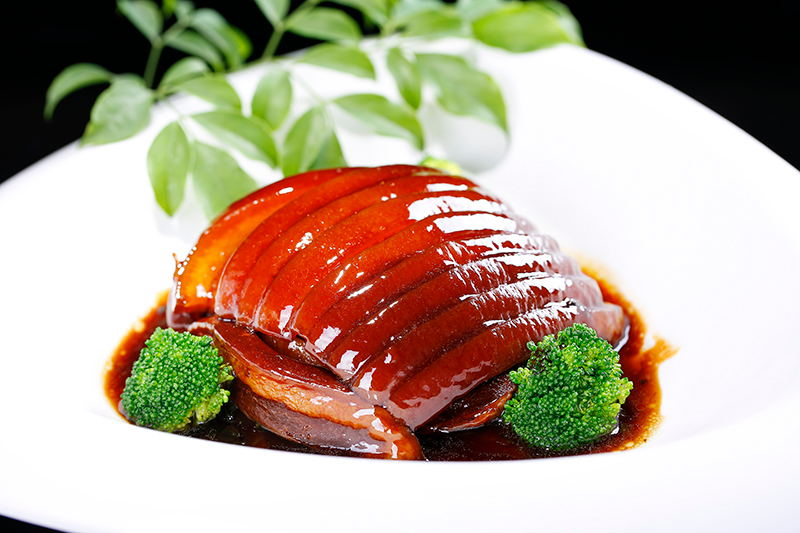
The magic of this dish lies in one word: ‘fermentation.’ It starts with selecting pork belly with a perfect balance of fat and lean, cooked slowly to allow the fat to gently render. At this point, the star ingredient comes into play—a jar of aged fermented rice paste, loosened with traditional yellow wine. The strained liquid is clear in color but rich with the complex aroma developed over time. The meat slices are neatly inverted in a bowl, drenched with this flavorful fermented liquor, and then placed in a steamer.
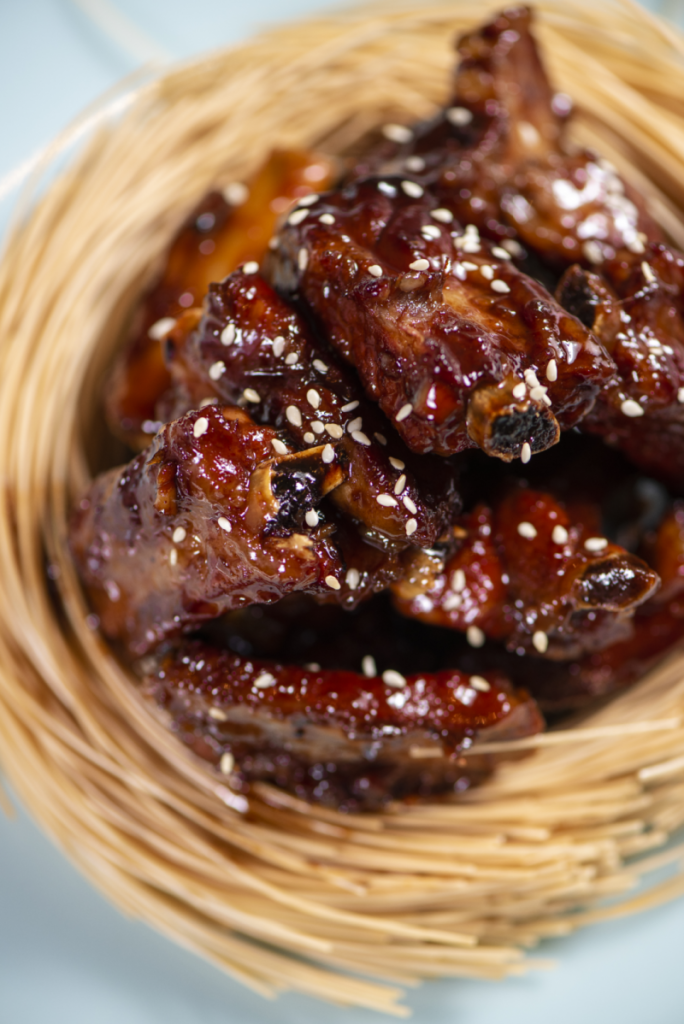
Changzhou-style sweet and sour pork ribs are all about the essence of ‘harmony.’ It doesn’t chase extreme sourness or overpowering sweetness, but focuses on a perfect balance. Carefully selected pork ribs are cut into small, delicate pieces, then stir-fried or deep-fried to lock in the juices, achieving a crispy exterior and tender interior. After that comes the magical moment—in the wok, the elegant acidity of Zhenjiang vinegar meets the mellow sweetness of rock sugar, and under the heat, they meld into a translucent, amber-colored glaze.
When the small ribs are immersed in this sauce, they begin a magnificent transformation. Simmered over high heat until the sauce thickens, each rib is evenly coated in this elegant glaze, with a glossy, enticing red color, reminiscent of ripe hawthorns in a Jiangnan garden. Pick up a piece, and the sticky, almost-but-not-quite-separated strands of sweet and sour glaze are a preview of the flavor to come.
The first thing you taste is the bright and lively acidity of the outer layer, instantly awakening your taste buds; immediately after, a gentle sweetness spreads, softly enveloping the tip of your tongue. The pork ribs are firm yet tender, and with a light bite, the meat easily separates from the bone. The savory flavor of the meat blends perfectly with the complex sweet and sour taste, balanced in acidity and sweetness, rich but not greasy, leaving only a lingering aroma that makes you want to savor it finger-lickingly.
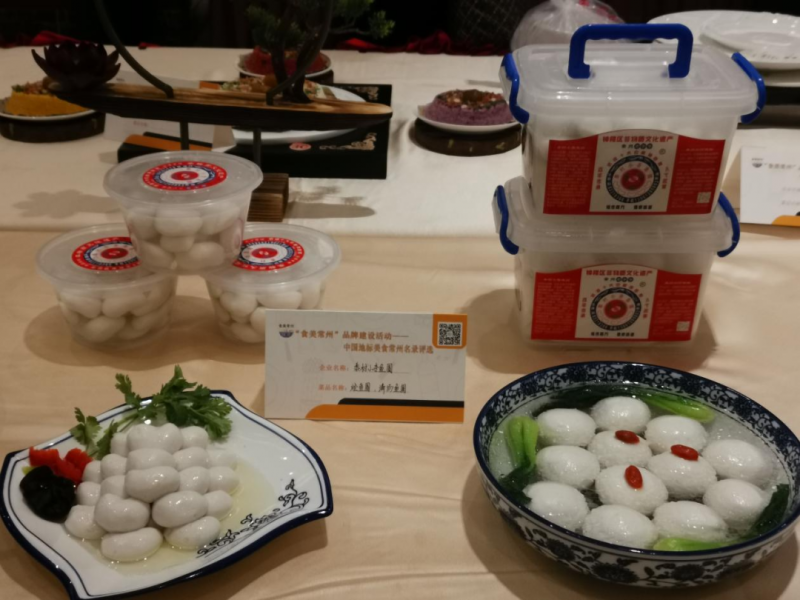
The essence of Buyi Fish Balls lies in the word ‘purity.’ Fresh and plump green or grass carp are carefully selected, and the finest fish paste is manually scraped, not allowing a single bone or impurity to remain. The fish paste is then repeatedly beaten with water, egg whites, and a pinch of salt until firm—this is a fusion of strength and beauty: the beating must be vigorous for air to be incorporated, yet gentle enough to preserve the fresh taste of the fish.
The matured fish paste is as delicate and fluffy as clouds. The chef holds the fish paste in hand and gently squeezes it from the thumb and forefinger, letting a plump fish ball drop into gently simmering water. Unlike other fish balls that are firm and bouncy, these pursue an extreme tenderness. Once cooked, the fish balls float in the clear soup, looking like large, pure white clouds or like magnolias just beginning to bloom, soft and fragile to the touch.
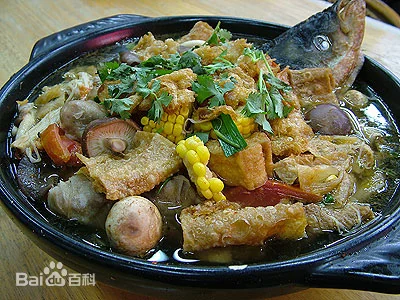
The birth of this legendary dish begins with a good source of water. The waters of Tianmu Lake, a ‘green fairyland,’ are clear and sweet, nurturing bighead carp (commonly known as fathead fish) with large heads, plump flesh, and no muddy taste. Fresh fish heads weighing several pounds are lightly seared to shape them and enhance their aroma, then placed in a large clay pot filled with the fresh spring water from Tianmu Lake, accompanied by a few slices of ginger and some rice wine, with no unnecessary additions.
The following hours of slow stewing are a practice of balancing water and fire. The essence of controlling the heat lies in ‘using both strong and gentle flames,’ starting with high heat to bring the flesh to whiteness, then finishing with gentle heat to preserve the freshness. Until the broth is emulsified by the gelatine and proteins, transforming into a cup of silky jade-like nectar, milky in color and rich as honey.