Changzhou Green-Retaining Bamboo Carving
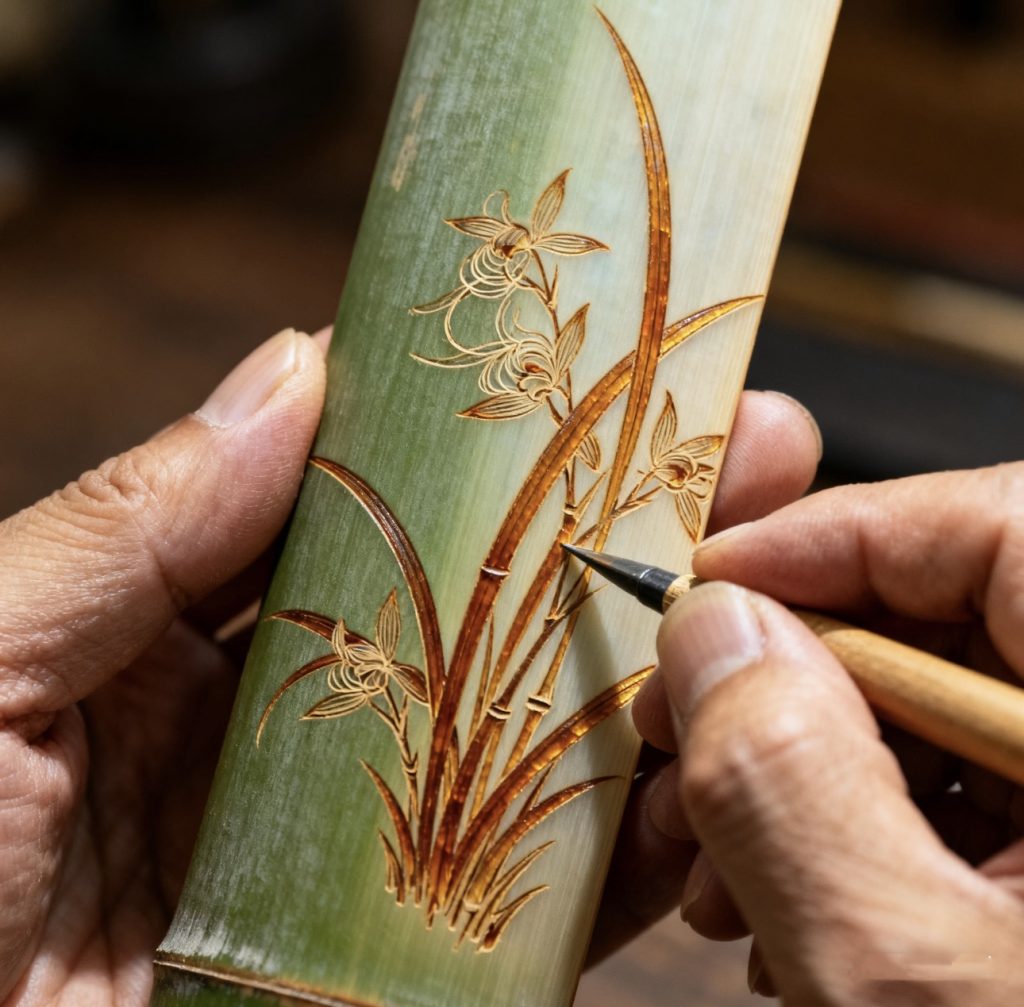
Changzhou Green-Retaining Bamboo Carving is an outstanding representative of traditional Chinese bamboo carving art and a national-level intangible cultural heritage. Centered on the core technique of “retaining the green rind”, this ancient craft carves patterns solely on the smooth, warm outer layer of bamboo. After removing the excess rind, the exposed bamboo flesh naturally changes color over time, making the patterns more three-dimensional and vivid with the accumulation of years. Rooted in the fertile soil of Jiangnan’s bamboo culture, it has a thousand-year inheritance history, nurturing many famous masters such as Zhang Xihuang and Xu Subai and founding unique artistic schools. Its works, combining scholarly elegance with exquisite knife craftsmanship, condense the gentlemanly virtues of bamboo and the humanistic heritage of Jiangnan into small pieces of bamboo, becoming a highly representative cultural card of Changzhou.
Changzhou Comb
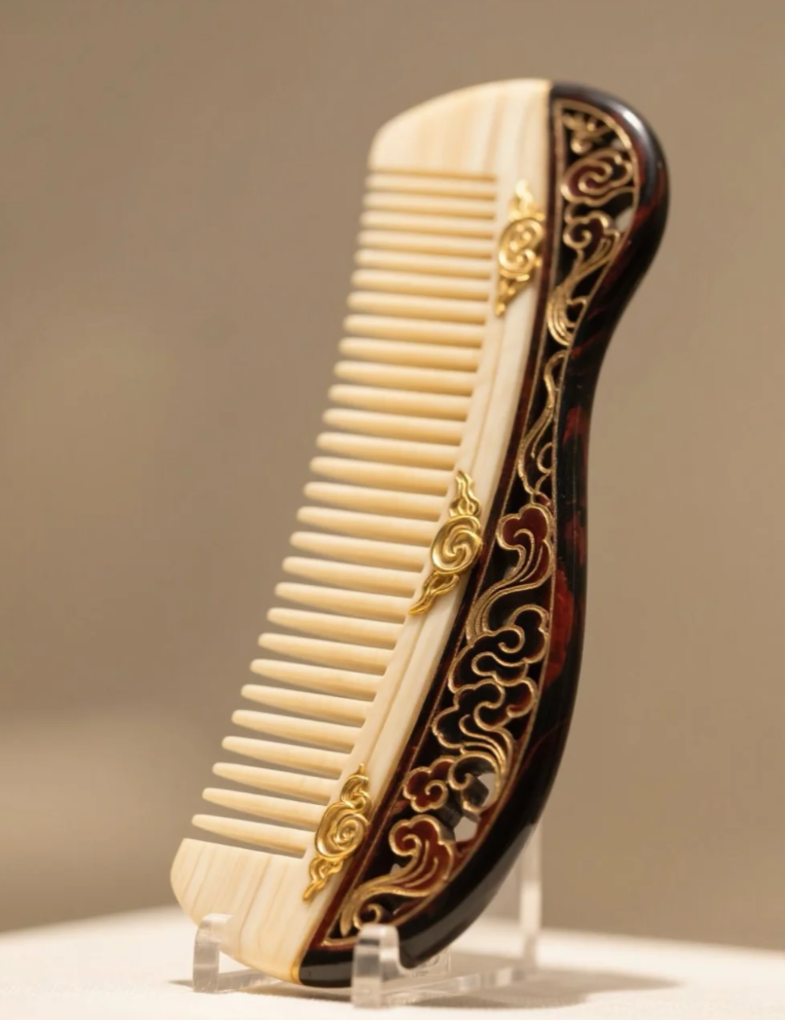
Changzhou Comb, a national-level intangible cultural heritage with a history of over 1,500 years, has long been renowned as “Palace-Quality Combs and Famous Fine-Tooth Combs”. Developed in the Eastern Jin Dynasty and flourishing in the Ming and Qing dynasties, it adheres to strict material selection—using century-old boxwood and other hard woods for wooden combs and over 5-year-old bamboo from shaded mountains for fine-tooth combs. Crafted through dozens of intricate processes and integrated with techniques like carving, painting, and inlaying, it combines practicality and artistic value. Once a tribute to the imperial court and a winner of international awards, it is now not only a daily necessity but also a cultural symbol and collection treasure embodying the craftsmanship of Jiangnan.
Changzhou Random-Stitch Embroidery
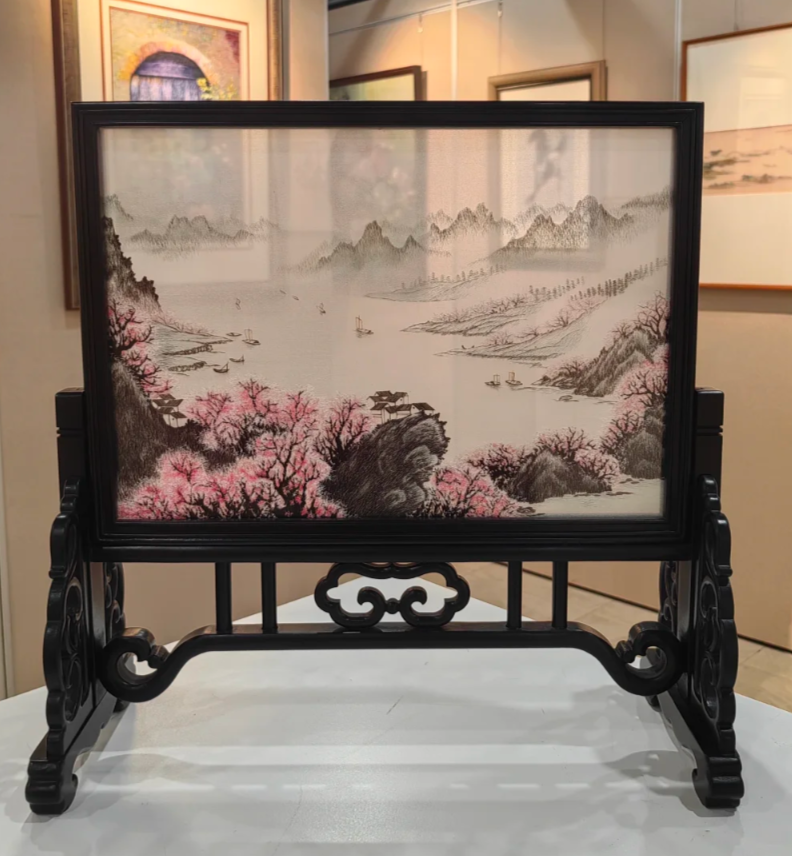
Changzhou Random-Stitch Embroidery, also known as Zhengzhe Embroidery, is an important school of Su Embroidery created by Yang Shouyu, a talented artist from Changzhou, in 1912. As a national-level intangible cultural heritage, it breaks the traditional flat-stitch arrangement of embroidery. Guided by sketching and oil painting concepts, it adopts various stitches such as large random stitches and diagonal random stitches, combined with layered coloring techniques to create works. The seemingly messy stitches are actually well-arranged, capable of presenting a three-dimensional effect with changing light and shadow. Liu Haisu highly praised it as “reaching the peak of embroidery art”. Its creation requires embroiderers to have solid painting skills. Representative works like Old Man’s Portrait and Roosevelt once caused a sensation in the art circle. More than a hundred of its works have been presented as state gifts to foreign leaders. Now it has formed a heritage group spanning four generations, becoming a cultural and artistic link connecting Changzhou with the world.
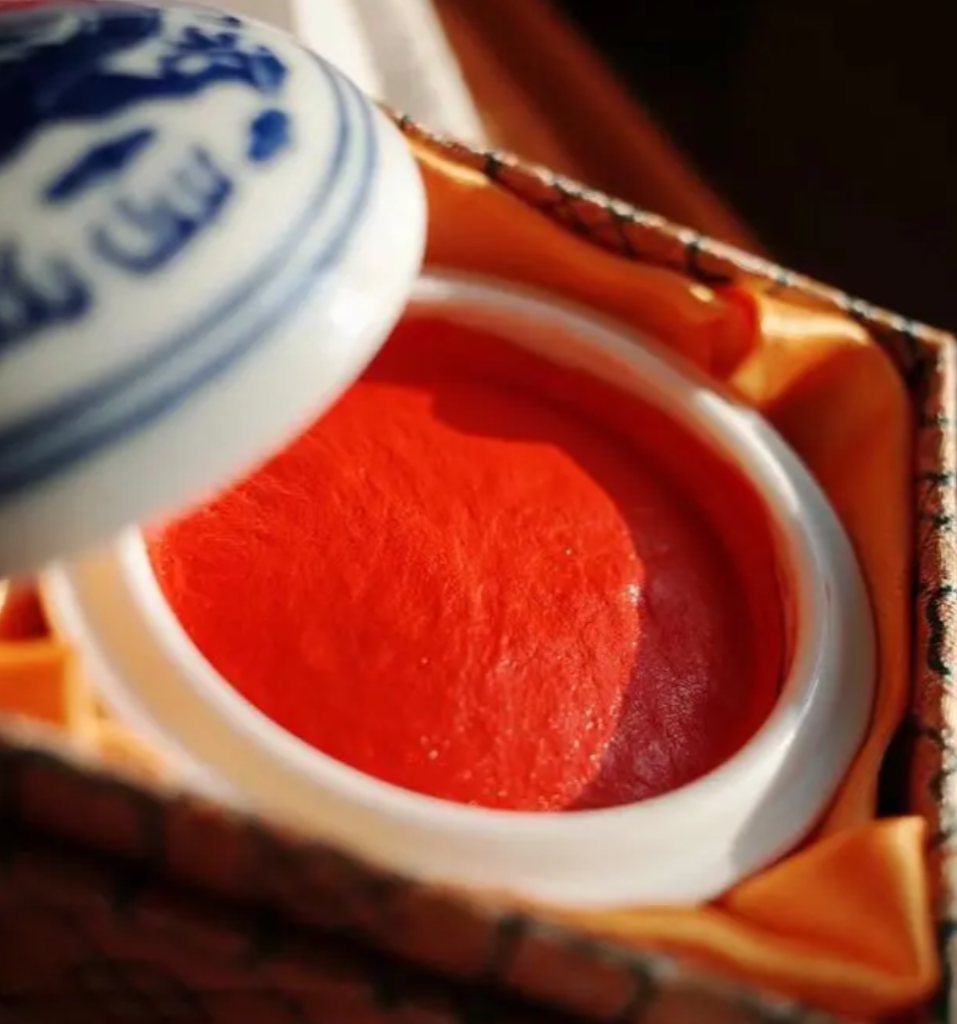
Changzhou Longquan Ink Paste
Changzhou Longquan Ink Paste, created by Liu Wengao, a scholar in Changzhou in 1682, is one of China’s three top-tier ink paste treasures, on a par with Xiling Ink Paste from Hangzhou and Babao Ink Paste from Zhangzhou, Fujian. As a provincial-level intangible cultural heritage, it takes cinnabar as the main ingredient, supplemented by more than twenty precious materials such as pearl powder and musk. Uniquely, it uses rare lotus root silk instead of mugwort floss as the framework, crafted through over 30 processes. The oil used alone requires sun-drying for at least three years. The finished product features the characteristics of “not solidifying in winter and not leaking oil in summer”, and it will not blur even when fished out for use after being soaked in water for three days. Once designated as a tribute to the imperial court by Emperor Qianlong, it was favored by renowned calligraphers and painters like Wu Changshuo and Qi Baishi. It also served as the official ink paste for the G20 Hangzhou Summit. Passed down through seven generations with the lost lotus root silk ink paste technique restored, it has now become a cultural symbol of Changzhou embodying the craftsmanship of Jiangnan.